
I recently read about Maslow’s hierarchy of needs, and what struck me was the importance of safety. In any organization, having a healthy working environment is crucial.
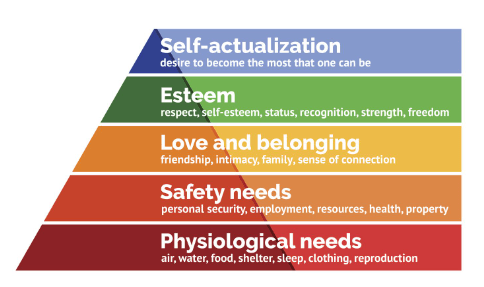
Think about this: Can you come up with innovative ideas if you’re stuck Infront of a wild elephant? Of course not. You need a calm mind to think better and do the best.
High job security boosts productivity, employee morale, and loyalty. It reduces attrition, improves team dynamics, and encourages innovation and risk-taking. These benefits foster growth for both employees and employers. Your immediate manager (leader) plays a crucial role in creating a healthy environment and provide a secured feeling in the team.
On the flip side, Job insecurity can lead to decreased motivation and engagement, making employees less focused and productive. It can increase attrition, create a negative work environment, foster a distrustful atmosphere, and undermine teamwork and collaboration. Customer service can suffer too. Employees worried about their jobs may not provide the best possible service, potentially damaging the organization’s reputation and customer relationships. When there’s a sense of job insecurity, employees often think more about finding a better workplace than excelling in their current roles. If safety needs are not met, all the higher levels of needs will be disrupted.
Let’s look at how a good leader can make a better environment in the team.
- Transparent Communication
- Keep the team informed about the company’s financial health, strategic goals, and any changes.
- Encourage open communication where team can voice concerns and ask questions. Also be ready to answer honestly and carefully.
- Clear Expectation and goals
- Ensure that job roles and expectations are well-defined and understood by your team.
- Work with team to set realistic and clear performance goals, providing a sense of direction and purpose.
- Recognition and Rewards
- Regularly recognize and reward the team for their hard work and contributions to the organization.
- Offer opportunities for professional growth, such as training, mentoring, and promotions, which can enhance job satisfaction and security.
- Supportive Leadership
- Show genuine concern for the team’s well-being and be approachable for any issues they might have at any time in the office.
- Always encourage and support a healthy work-life balance to improve job satisfaction.
- Provide Stability
- Offer longer-term contracts or permanent positions instead of temporary ones when possible which improves the confidence in the role.
- Implement strategic planning to avoid frequent layoffs, which can create a culture of insecurity.
- Team Involvement
- Establish regular feedback mechanisms to understand team’s concerns and address them promptly on a timely fashion.
- Performance Management
- Ensure performance evaluations are fair, transparent, and consistent.
- Provide constructive feedback aimed at helping team to improve and succeed in their roles.
- Invest in Team Development
- Internal and external training and development programs to help the team enhance their skills and advance their careers.
- Work with the team to develop clear career paths within the organization and update those periodically.
You may read Maslow’s Hierarchy of Needs here.
 anoop.blog